
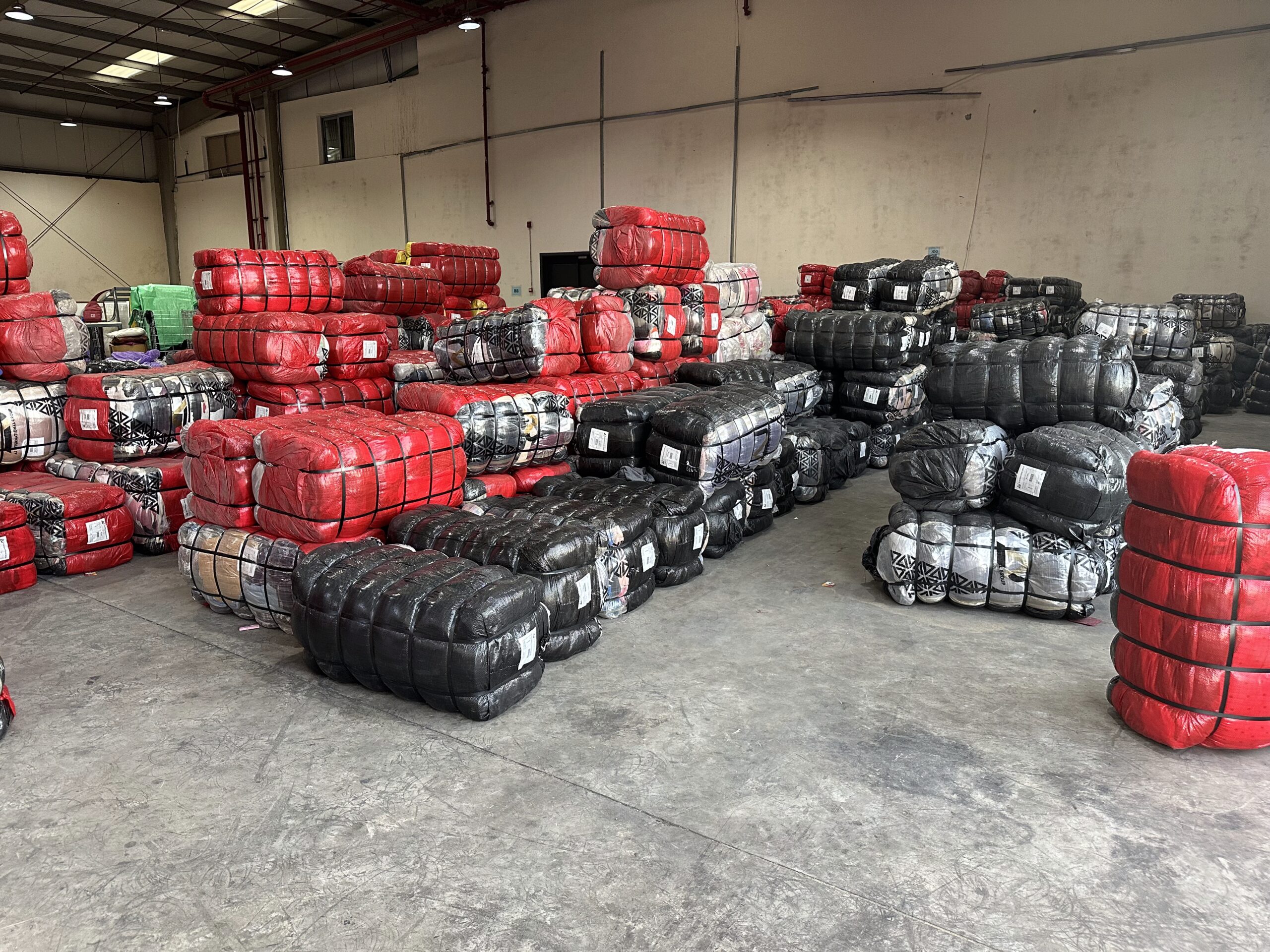
From traditional bales to a promising market, discover how secondhand clothing promotes sustainability while boosting profitability.
Building A New Profitable Business Model In The Era Of Sustainability
In the 1990s, the concept of “sustainable fashion” began to emerge. This has been followed by the widespread adoption of sustainability trends over the last 10 years, consequently, allowing secondhand clothing to secure a notable share of the market and make a significant impact, standing out as both a responsible and affordable choice for consumers. This has led to a new profitable business model and plays a vital role in driving the circular economy.
Are you wondering about the tangible evidence? Let’s take a closer look at how this shift is reflected in numbers, and why the secondhand market has become too big to ignore.
Secondhand Clothing: A Fast-Growing Market Worth Jumping Into
The growing shift toward used clothing has turned secondhand fashion into a major force in the global apparel industry. In 2024, it made up about 9% of total fashion spending, no longer just a passing trend, but a mainstream movement.
The numbers tell the future story:
According to ThredUp, the global secondhand market is expected to grow to over $290 billion by 2027 and reach $367 billion by 2029, driven by a steady CAGR of around 10%
The growth isn’t limited to Western markets either. The Middle East and Africa are showing strong upward trends, with a CAGR of roughly 8–9%, underscoring just how deeply secondhand fashion has become embedded in the global economy.
Several key factors are driving this rapid growth, and understanding them is essential to see where the market is heading next.
Why The Market Is Expanding? And Why Should Traders Care?
Several key factors are fueling this rapid growth, and understanding them is essential to see where the market is heading next.
Consumers are turning to secondhand fashion for quality at a fair price, unique pieces, and affordable branded items, while rising awareness of the undesired impact of fast fashion also drives a shift toward slower, more mindful consumption like second-hand clothes.
Gen Z is leading the charge, 21% of them buy “pre-loved” items at least once a month (eBay Recommerce Report 2024). Online resale is the fastest-growing segment, up 23% in 2024 and expected to hit $40 billion by 2029 (CAGR ≈13%).
Gen Alpha will soon follow as the next major buying force. As Printful notes, “Much like Gen Z, sustainability is at the core of Gen Alpha’s values.” The Next Big Shift predicts this generation will merge technology and sustainability to reshape the pre-worn fashion market.
Together, these shifts don’t just reflect changing consumer habits, they’re actively reshaping how the fashion economy functions, paving the way toward a more circular economic model.
How Secondhand Fashion Fuels the Circular Economy
The rise of the secondhand market is more than a commercial trend, it’s a strategic shift against fast fashion. At its core, the circular economy is built on extending a product’s life cycle rather than following the traditional “produce → consume → discard” model.
Didn’t you see that this shift couldn’t be more necessary? It’s especially striking when you realize that global resource consumption has quadrupled between 1970 and 2021, highlighting the pressing need for change.
The good news is that the growth of the resale market directly contributes to that change. By reducing demand for fast fashion, which accounts for 10% of global carbon emissions, millions of tons of textiles are being kept out of landfills. Each secondhand item purchased instead of a new one saves roughly 79% of the carbon footprint associated with producing a new garment (Global Fashion Agenda).
Ultimately, every new trader entering the secondhand market isn’t just tapping into a profitable business, they’re actively helping solve a global environmental problem.
AJ International Group: A Pioneer in the Global Shift Toward Sustainable Fashion
As global demand for secondhand fashion keeps rising, AJ International Group stands at the forefront of this transformation, not just following the trend, but helping define it. With a rigorous sorting process and a commitment to quality, AJ ensures that high-standard secondhand clothing reaches customers around the world.
Beyond trade, AJ’s mission is rooted in sustainability, recycling and upcycling used garments to cut textile waste and its environmental risks, driving the shift toward a circular economy. Each day, the company collects and classifies over 300 tons of clothing, turning potential waste into renewed value.
Backed by more than 3,000 employees worldwide, AJ proves that profitability and responsibility can go hand in hand, building a cleaner, smarter, and more sustainable future for fashion
Now it’s your turn, join the movement, invest in conscious fashion, and turn sustainability into your next competitive edge.