
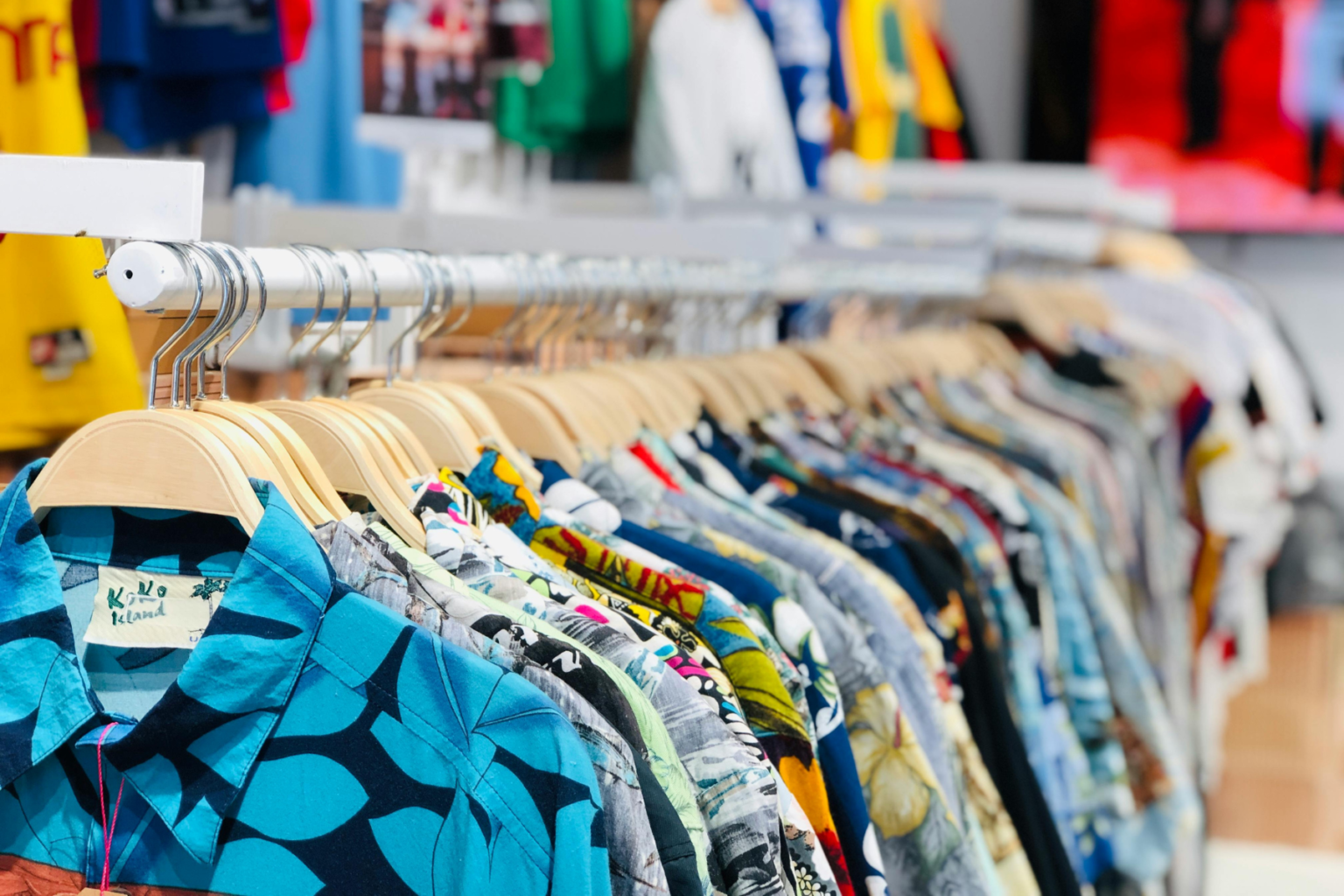
The second-hand market is no longer a niche trend but a key player in advancing the circular economy. It offers a sustainable solution to the environmental crises fueled by overproduction and waste. By promoting reuse, repair, and resale, this market extends the life cycle of products, reducing the demand for new resources. Whether it’s clothing, electronics, or furniture, the second-hand economy helps transform discarded items into valuable resources, fostering a culture of sustainability. As consumers increasingly prioritize eco-conscious choices, the second-hand market continues to drive a global shift toward more responsible consumption.
What is the second-hand clothes market?
The second-hand clothes market refers to the buying, selling, and exchanging of pre-owned garments, offering an alternative to the traditional retail cycle. This market encompasses a wide range of platforms, including thrift stores, consignment shops, online resale platforms, and community-driven swap events. The idea is simple yet impactful: instead of discarding used clothing, these items are given a second life, reducing waste and extending their utility. This market caters to diverse consumers, from those seeking budget-friendly fashion to those hunting for unique, vintage pieces. Beyond affordability, the second-hand clothes market plays a pivotal role in addressing environmental challenges.
By keeping garments in circulation, the second-hand market diverts textile waste from landfills and reduces the need for virgin materials in new clothing production. It also offers unique opportunities to discover vintage or one-of-a-kind pieces, appealing to eco-conscious consumers and trendsetters alike. With the rise of sustainability movements and growing awareness of fashion’s environmental costs, the second-hand clothes market has become a key player in promoting a circular economy. It’s a movement that emphasizes value, creativity, and responsibility in fashion.
Global trends in the second-hand clothing market:
The global second-hand clothing market is booming, evolving from a small-scale industry to a dynamic and influential segment of the fashion economy.
- In Western markets, online platforms have revolutionized how second-hand clothing is bought and sold, making it accessible to a wider audience.
- In regions like Africa and South Asia, second-hand clothing imports are integral to local economies, providing affordable options for low-income communities. Additionally, the rise of circular fashion is encouraging major brands to integrate resale and recycling programs into their business models, catering to the growing demand for sustainable options.
- Younger generations, particularly Millennials and Gen Z, are driving these trends, valuing thrifted and vintage items for their affordability and uniqueness.
- Globally, awareness of the environmental impact of fast fashion is pushing consumers and governments to support the second-hand market.
These global trends, whether through thrift stores, online marketplaces, or brand-led initiatives, the second-hand clothing market is playing an essential role in reducing fashion’s environmental footprint while reshaping how people shop worldwide.
How consumers are embracing second-hand fashion?
Consumers are wholeheartedly embracing second-hand fashion, driven by a combination of environmental consciousness, affordability, and a desire for unique style. The shift away from fast fashion is fueled by a growing awareness of its negative impacts, including excessive waste, pollution, and poor labor practices. Second-hand shopping provides an ethical alternative, allowing consumers to extend the life cycle of garments and reduce their carbon footprint. Younger generations, particularly Millennials and Gen Z, are leading this movement, driven by their preference for unique and eco-friendly fashion. Social media platforms like Instagram and TikTok have amplified the appeal of thrifting, with influencers showcasing creative ways to style pre-loved clothing. Beyond aesthetics, second-hand fashion offers significant cost savings, allowing consumers to access high-quality items at a fraction of retail prices.
Additionally, the affordability of second-hand fashion appeals to a broad range of consumers, from budget-savvy students to professionals hunting for designer deals. By adopting second-hand fashion, consumers are not only reshaping the industry but also supporting the circular economy, proving that style and sustainability can go hand in hand. This cultural shift highlights a collective effort to shop more consciously and make choices that benefit both the planet and individual wardrobes.
Challenges facing the second-hand market:
Despite its rapid growth and increasing popularity, the second-hand market faces several challenges that hinder its full potential.
- One major issue is the stigma associated with pre-owned items, especially in regions where buying second-hand is perceived as a sign of financial struggle rather than a sustainable choice.
- One key obstacle is scalability; as demand increases, businesses often struggle to maintain consistent inventory levels and quality standards.
- Operational challenges are also prevalent, including the labor-intensive process of sorting, cleaning, and pricing items.
- Additionally, quality control is a persistent challenge, as second-hand goods can vary widely in condition. Ensuring consistent quality requires rigorous sorting and inspection processes, which can drive up operational costs for sellers.
- Ethical issues also arise, such as the export of excess second-hand clothing to developing countries, where it can overwhelm local markets and stifle local textile production.
- Regulatory barriers, including import restrictions and taxes, can impact the global flow of second-hand goods.
- Lastly, competition from fast fashion, with its low prices and convenience, continues to divert consumers away from second-hand alternatives.
To overcome these challenges, the second-hand market must innovate, invest in education to shift consumer perceptions, and develop sustainable, scalable models that address both operational and ethical concerns.
How does second-hand clothing support a circular economy?
The second-hand clothing market significantly supports the circular economy by fostering reuse, reducing waste, and promoting resource efficiency. In a circular economy, products are designed to be reused and repurposed, and second-hand clothing aligns perfectly with this approach. Instead of discarding garments after limited use, second-hand markets extend their lifecycle, reducing the environmental impact of textile production. For example, the production of new clothes requires extensive water usage and generates substantial carbon emissions, while reusing existing garments eliminates these environmental costs. Additionally, second-hand clothing reduces landfill waste, as fewer textiles are thrown away, and encourages consumers to participate in a more sustainable consumption cycle. Resale platforms and thrift stores also promote a shift toward responsible shopping habits, where quality and longevity take precedence over disposability.
Beyond individual behavior, second-hand clothing supports the circular economy by inspiring fashion brands to adopt sustainable practices, such as incorporating recycled materials into their designs. This movement not only reduces the strain on natural resources but also creates economic opportunities within a sustainable framework. By integrating second-hand clothing into the circular economy, society can move closer to a model where waste is minimized, and resources are maximized.
The economic impact of reselling clothes:
Second-hand clothing is an economic powerhouse within the circular economy, providing a cost-effective solution to the resource-intensive nature of fast fashion. By facilitating the reuse of garments, it reduces the financial burden on industries tied to raw material extraction, such as cotton farming and textile manufacturing. This market not only cuts down the need for new production but also introduces a profitable avenue for businesses, with the global resale market expected to exceed $80 billion by 2029.
For consumers, second-hand clothing offers significant savings, enabling access to quality items at a fraction of the cost of new apparel. The second-hand market also fosters job creation, particularly in sorting, repair, logistics, and retail operations, contributing to economic growth at both local and global levels. Additionally, established brands are increasingly integrating resale programs into their operations, capitalizing on consumer demand for affordable and sustainable fashion. By leveraging second-hand clothing, the fashion industry can transition to a more stable and circular economic model, ensuring long-term profitability while addressing the environmental costs of overproduction and waste.
The second-hand market exemplifies how sustainability and economic growth can coexist in the circular economy. By extending the lifecycle of clothing, reducing waste, and fostering affordability, it transforms the way we consume fashion. Consumers, brands, and governments all play a crucial role in overcoming challenges and unlocking its full potential. As awareness grows, the second-hand market will continue driving innovation and reshaping the fashion industry into a more responsible, resilient system. Embracing this market is not just a step toward sustainability—it’s a commitment to a greener, more equitable future for generations to come.