
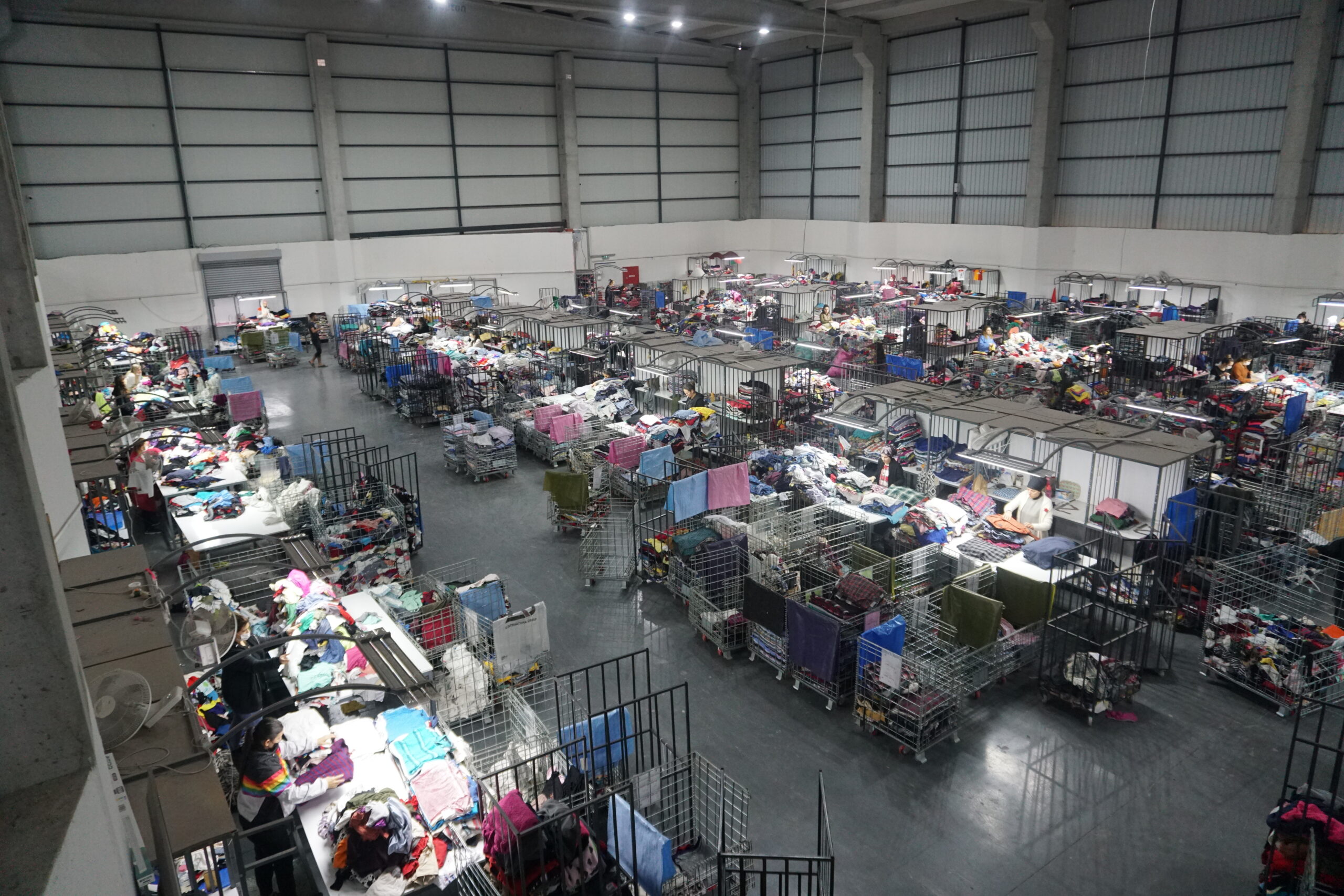
Are the vast growth opportunities in the bale market free of challenges? Of course not. Learn how to tackle the key challenges in the bale trade, turn them into competitive advantages, and stay prepared for market shifts with a smarter approach.
Key Challenges in the Bale Market, and How to Turn Them into Profit Opportunities
Every bale trader has experienced opening a shipment without complete certainty…
- Will the pieces meet the expected quality level?
- Will transportation and storage costs remain within a reasonable range?
- Is the market ready to absorb this volume?
These concerns can restrict a trader’s decisions and cause missed profit opportunities in the bale market. However, true success lies in understanding the many operational details that shape the bale trade. Any detail that is not calculated carefully can quickly erode profit margins.
What we have discussed in our last article, How to Leverage Opportunities and Achieve Profits?, highlights an important reality: the real difference does not lie in purchasing alone, but in the entire system through which a trader manages the business, transforming challenges into practical solutions that build a more stable and profitable operation.
Below, we outline the most significant challenges in the bale market and examine whether they are permanent obstacles or competitive advantages capable of generating multiplied returns.
The Quality Gamble in Bale Trading
Quality is one of the most common challenges in bale trading, especially when dealing with large volumes. Traders often face inconsistencies in item quality within the same shipment.
Quality and grading inconsistencies are widespread in the secondhand trade. A study published in Sustainability (MDPI) reports that more than 24 billion secondhand garments are traded each year across the global market, representing an estimated market value of approximately $4.9 billion.
This massive scale does not only reflect market size, it also highlights the complexity of sourcing. Products come from hundreds of collection streams and supply chains, which explains the significant variation in quality between shipments, and even within a single bale.
This raises a critical question: how can this challenge be controlled?
The answer lies in structured quality management and disciplined sourcing practices:
Work with reputable suppliers who have proven sorting expertise
Agree in advance on clear grading standards and expected quality ratios
Test the bale before committing to large purchases
- Review grading classifications before shipment: Work with suppliers who provide real sorting-line visuals, estimated quality ratios, and transparent descriptions of bale contents.
- Start with a trial order: Evaluate performance on a smaller shipment before scaling volume, a common best practice in wholesale trade.
Implement a professional sorting system to reduce waste and increase sell-through rates
Quality management is not optional; it is fundamental to protecting capital and safeguarding margins. At the same time, experienced traders recognize that quality is only one part of the equation. True stability comes from balancing quality control with cost discipline, logistics efficiency, and clear market insight.
Market Fluctuations and Operational Costs
The bale market is influenced by multiple factors beyond garment quality itself, including changes in shipping rates, seasonal demand fluctuations, sorting and cleaning costs, and currency movements.
Any uncalculated increase in these elements can reduce net profit, even when sales volume is high. Variable operational and logistics expenses remain among the most significant challenges affecting trader profitability, particularly in markets that rely on import or re-export activity.
Successful traders do not allow the market to dictate their outcomes. Instead, they plan ahead and develop smart solutions to navigate volatility by:
- Calculating the full landed cost of a bale, not just the purchase price.
- Building flexible pricing structures that can absorb market shifts.
- Planning inventory around seasonal demand forecasts rather than reacting impulsively.
- Diversifying product categories and target markets to spread risk.
In this context, it is essential to take a closer look at a critical factor in bale trading: logistics costs.
Logistics Costs
Logistics is not separate from operations; it is one of its primary drivers. Any inefficiency within the logistics chain directly impacts operating costs and profit margins.
Although the UAE is one of the region’s leading commercial and logistics hubs, supported by advanced infrastructure, efficient import and re-export systems, and strong trade connectivity, logistics costs remain a decisive factor, even when sourcing within the UAE itself.
Logistics expenses typically include:
- Domestic and international transportation
- Storage
- Sorting and cleaning
- Customs clearance and documentation
The key question becomes: how can traders turn these cost factors into operational advantages, particularly within the UAE?
- Operating from logistics zones or free zones to reduce procedural complexity.
- Leveraging sea, land, and air freight networks strategically.
- Reducing inventory turnover time, which directly accelerates capital rotation and profitability.
This does not mean the process is overly complex. With proper planning and a comprehensive understanding of market dynamics, traders can navigate these challenges efficiently, minimizing risk and avoiding disruption to business operations.
Customer Perception, Compliance, and Market Regulations
Finally, it is important to acknowledge that a segment of customers still remains hesitant about the concept of secondhand clothing. This requires additional effort in presentation, branding, and marketing strategy.
Here, the opportunities discussed earlier in this article become especially relevant, particularly those related to understanding customer behavior and preferences. The key question is: what truly drives a consumer to purchase secondhand clothing?
By answering this question, traders can gradually transform insights into genuine acceptance and long-term trust in the bale market. After all, demand remains the primary engine driving secondhand trade.
It is also worth noting that every trader develops a unique experience within their market. This experience enables them to create solutions tailored to the scale of their operations, turning challenges into competitive advantages.
In this context, choosing reliable partners and building mutually beneficial agreements becomes increasingly important. Strong partnerships act as growth drivers, providing traders with the support, flexibility, and advantages needed to maintain a leading market position.
How AJ International Group Turns Your Challenges into Profit
AJ International Group operates not merely as a supplier, but as a strategic partner to traders. With extensive market experience and industry leadership, AJ functions as a business partner that understands market challenges and delivers practical, actionable solutions.
When partnering with AJ International Group, traders experience tangible advantages through:
- Advanced sorting systems that enhance shipment quality and reduce risk.
- Integrated logistics solutions operating from within the UAE to regional and international markets.
- Operational and advisory support that enables smarter purchasing and pricing decisions.
- Stable supply chains that ensure business continuity without disruption or unexpected setbacks.
AJ International Group transforms challenges into real growth opportunities through professionalism, operational ease, and deep market expertise.
Don’t let market opportunities pass you by. Connect with AJ International Group and start building a more stable, profitable bale business.
The question remains:
Can expansion in a market like bale trading exist without challenges?
Certainly not. Sustainable growth requires traders to anticipate obstacles, adapt to changing market dynamics, and operate with strategic awareness.