
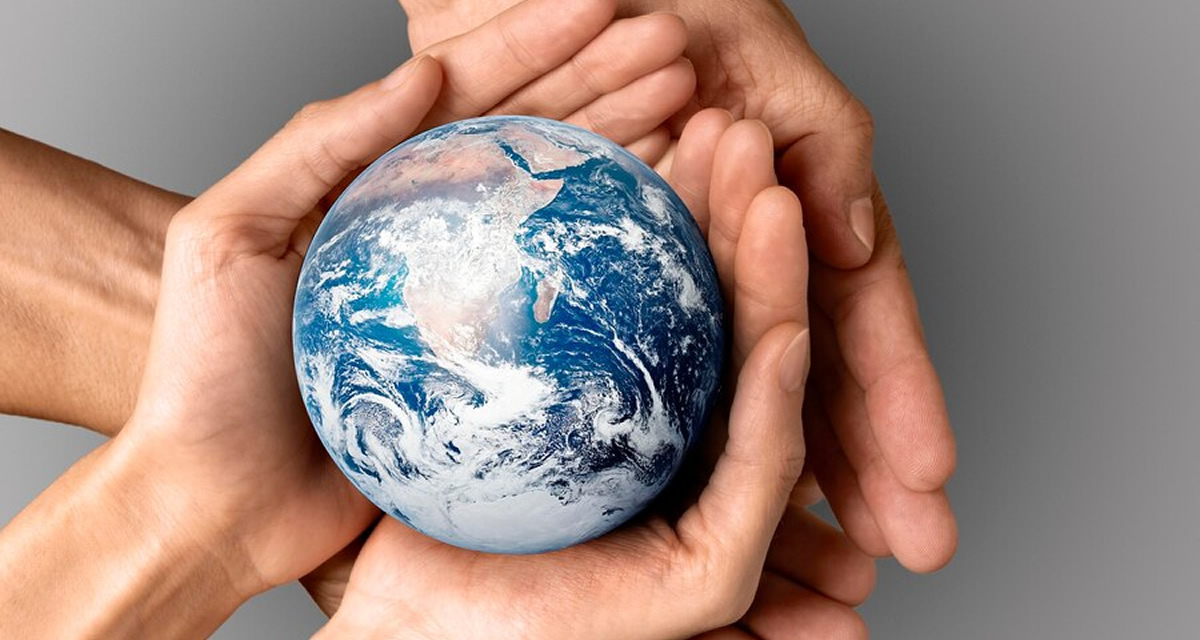
The future of our planet hinges on the choices we make today, and recycling is at the forefront of sustainable solutions. Every item we recycle—from plastic bottles to old clothing—helps curb pollution, reduce waste, and conserve valuable resources. With advancements in recycling processes and rising global commitment, it’s becoming clear that recycling is not just an option; recycling is the future. This article examines how recycling is shaping the sustainable path forward and the role it plays in protecting our environment for generations to come.
Transforming trash to tomorrow’s resources:
Trash doesn’t have to mean the end of an item’s life—instead, it can signal a new beginning in the form of tomorrow’s resources. This transformative concept lies at the heart of a sustainable future, where waste is no longer merely discarded but repurposed, reused, and reincorporated into new products. The shift from a throwaway culture to one that sees potential in discarded items is driving the growth of a circular economy.
Whether it’s turning plastic bottles into textiles, repurposing old electronics, or recycling metals, waste-to-resource initiatives are reducing our environmental footprint and conserving raw materials. Companies, innovators, and consumers are all contributing to this movement, recognizing that transforming trash into resources benefits both the economy and the environment. By embracing the potential of waste as a resource, we can move closer to a world where sustainability and progress go hand in hand.
Redefining waste for the future generations:
For future generations, redefining waste is about more than recycling—it’s about reshaping our entire approach to consumption and resource management. Instead of viewing waste as the end of an item’s life, forward-thinking societies see it as the beginning of a new cycle. Today, advancements in recycling technology, eco-design, and sustainable manufacturing are helping transform waste into valuable materials that can fuel the economy.
This shift promotes a circular economy, where waste is minimized and resources are continuously reused. Teaching future generations to see waste differently fosters a culture of environmental stewardship, encouraging them to reduce, reuse, and innovate. By reimagining waste as a resource rather than refuse, we’re creating a foundation for a sustainable world—one that protects the planet’s finite resources while supporting the needs of a growing population.
Building a sustainable world, one step at a time:
Building a sustainable world is a journey made up of countless small steps, each contributing to a larger, positive impact. From reducing single-use plastics to embracing renewable energy sources, these incremental changes collectively bring us closer to a healthier planet. Individuals can start with simple changes—using reusable bags, minimizing food waste, or choosing energy-efficient products. On a larger scale, organizations and governments play a vital role by setting policies that encourage sustainability, investing in renewable energy, and promoting environmental education.
These steps, though modest on their own, collectively drive a global shift toward sustainability. By taking one step at a time, we cultivate a mindset that values our planet and its resources, inspiring others to do the same. Building a sustainable world is a journey, and every single step—no matter how small—brings us closer to that shared vision.
Recycling is the foundation of a sustainable future:
Recycling stands as the foundation of a sustainable future, bridging the gap between environmental preservation and resource efficiency. It transforms what was once considered waste into valuable resources, reducing the demand for new raw materials and protecting fragile ecosystems. Recycling also plays a critical role in reducing pollution, from lowering the energy used in manufacturing to cutting greenhouse gas emissions.
As we face mounting global challenges like resource depletion and climate change, recycling offers a practical, scalable solution. It embodies the principles of a circular economy, where materials are continuously reused rather than discarded, ensuring minimal waste. For future generations, recycling is more than a necessity—it’s a promise of stewardship and innovation. By making recycling a priority today, we lay the groundwork for a future where sustainability is a way of life, not just an ideal.
Shaping a circular economy for a better future:
The circular economy represents a revolutionary shift in how we produce, consume, and manage resources, offering a path toward a more sustainable and equitable future. Unlike the traditional linear model of “take, make, dispose,” the circular economy focuses on keeping materials in use for as long as possible through recycling, reusing, and repurposing. This approach minimizes waste, conserves natural resources, and reduces environmental degradation. By designing products with durability, repairability, and recyclability in mind, industries can create systems that eliminate waste altogether.
For individuals, it means rethinking consumption habits and embracing sustainable practices like upcycling and sharing economies. Governments and businesses are beginning to prioritize policies and innovations that support this model, driving economic growth while reducing environmental impact. Shaping a circular economy is more than an environmental necessity—it’s a vision for a future where sustainability drives innovation and prosperity.
Eco-friendly practices for a better tomorrow:
Building a better tomorrow starts with embracing eco-friendly practices that make a lasting impact. Individuals can make a difference by:
- Reducing waste through composting and recycling.
- Switching to reusable products like metal straws and cloth shopping bags.
- Conserving energy through simple steps like switching off lights and using energy-efficient appliances.
Businesses and organizations can contribute by:
- Implementing sustainable production methods that minimize waste.
- Adopting greener technologies to reduce their environmental impact.
- Using recycled materials in their products.
- Reduce industrial waste and encourage recycling programs.
- Enforcing stricter environmental regulations to limit industrial emissions.
- Funding public awareness campaigns to encourage eco-friendly behaviors.
These collective efforts create healthier communities, protect the planet, and pave the way for a balanced ecosystem.
The journey toward a sustainable future begins with rethinking waste and committing to recycling as a fundamental practice. From conserving natural resources to reducing pollution, recycling drives the circular economy and empowers both individuals and industries to innovate responsibly.
And lastly, all of us should be aware that every action, from using reusable products to adopting sustainable manufacturing, adds to the collective impact. By viewing waste as a valuable resource, we transform today’s challenges into tomorrow’s opportunities. Together, a sustainable world is within reach, but it requires dedication and collaboration to make it a reality.